 admin
admin
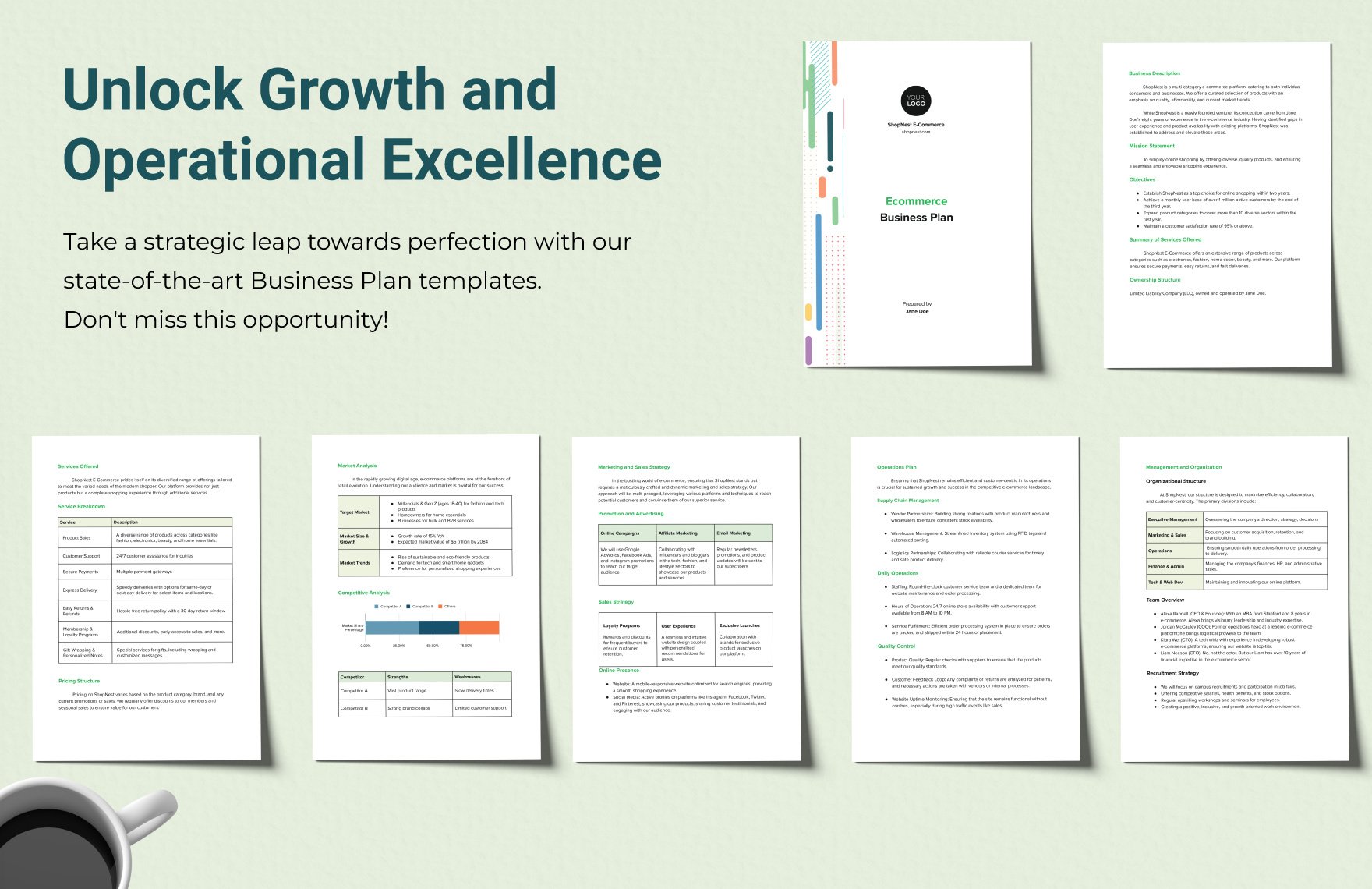
So, you’re dreaming of launching your own e-commerce empire? That’s fantastic! But before you dive headfirst into the world of online retail, you need a solid plan. And that’s where an e-commerce business plan template comes in handy. Think of it as the blueprint for your online achievement. But what exactly is it, why do you need it, and how do you use it? Let’s find out!
Why You Need an E-commerce Business Plan Template
Think of an e-commerce business plan template as your trusty GPS for navigating the wild world of online retail. Would you embark on a cross-country road trip without a map? Probably not! A template offers structure, ensures you cover all the essential bases, and saves you from staring blankly at a screen wondering where to start. It’s like having a seasoned business mentor guiding you through the process.
- Structure and Organization: A template gives you a framework to organize your thoughts and ideas logically.
- thorough Coverage: It prompts you to consider all facets of your business, from industrying to operations.
- Time-Saving: No need to reinvent the wheel; a template offers a starting point, saving you valuable time and effort.
- Professionalism: A well-structured plan demonstrates your seriousness to investors and partners.
Key Components of an E-commerce Business Plan Template
Okay, so what exactly goes into this magical template? Let’s break it down into bite-sized pieces. Imagine it as a delicious multi-layered cake, each layer essential for the overall flavor.
- Executive Summary: This is your elevator pitch – a brief overview of your entire plan. Think of it as the movie trailer that hooks your audience.
- Company Description: What’s your business all about? What problem are you solving? This section is your chance to shine and tell your story.
- industry examination: Who are your customers? What are their needs? Who are your competitors? Understanding your industry is like knowing the terrain before a battle.
- Products and Services: What are you selling? What makes your products unique? This is where you showcase your offerings and their value.
- industrying and Sales plan: How will you reach your customers? What channels will you use? This is your plan of attack for capturing industry share.
- Operations Plan: How will you fulfill orders? What’s your provide chain like? This is the engine that keeps your business running smoothly.
- Management Team: Who’s running the show? What are their qualifications? Investors want to know who they’re trusting with their money.
- Financial Projections: How much money will you make? What are your expenses? This is where you crunch the numbers and show your potential for profitability. Be sure to include a break-even examination to show when your business will become profitable. You can use a break-even examination template to help you with this.
- Appendix: Supporting documents, such as industry study data, resumes of key personnel, and legal agreements.
Finding the Right E-commerce Business Plan Template
Not all templates are created equal. Some are like flimsy paper airplanes, while others are like sturdy, well-engineered rockets. Here’s how to find one that suits your needs:
- Online Search: Google is your friend! Search for “e-commerce business plan template” and browse the outcomes. Look for reputable sources and templates that are specific to your industry.
- Business Resource Websites: Sites like the Small Business Administration (SBA) and SCORE offer complimentary templates and resources.
- E-commerce Platforms: Some platforms, like Shopify and BigCommerce, offer templates tailored to their users.
- Consultants and Experts: Consider hiring a business consultant to help you create a customized plan. (Target internal link: break-even examination template)
Tips for Choosing a Template:
- Relevance: Does the template cover the specific facets of your e-commerce business?
- Customization: Can you easily modify the template to fit your unique needs?
- User-Friendliness: Is the template easy to understand and use?
- Cost: Are you willing to pay for a premium template, or will a complimentary one suffice?
Filling Out Your E-commerce Business Plan Template: Step-by-Step
Alright, you’ve got your template. Now it’s time to roll up your sleeves and get to work! Don’t be intimidated; just take it one step at a time. Think of it as assembling a Lego set – follow the instructions, and you’ll end up with something amazing.
1. Start with the Executive Summary: Write this last, after you’ve completed the rest of the plan. It should be a concise overview of everything else.
2. Define Your Company: Clearly articulate your mission, vision, and values. What makes your business special?
3. Analyze Your industry: study your target audience, determine your competitors, and assess the industry landscape.
4. Describe Your Products: Showcase your products or services, highlighting their unique attributes and benefits.
5. Outline Your industrying plan: Detail how you’ll attract and retain customers, including your online industrying channels.
6. Develop Your Operations Plan: Explain how you’ll manage inventory, fulfill orders, and handle customer service.
7. Introduce Your Team: Highlight the experience and expertise of your management team.
8. Create Financial Projections: Develop realistic financial forecasts, including revenue projections, expense budgets, and cash flow statements.
9. Gather Supporting Documents: Include any pertinent documents in the appendix, such as industry study reports and legal agreements.
Tips for achievement:
- Be Realistic: Don’t overestimate your revenue or underestimate your expenses.
- Be Specific: offer concrete details and avoid vague statements.
- Be Clear: Use plain language and avoid jargon.
- Be Consistent: Ensure that your plan is consistent throughout.
- Get Feedback: Ask trusted friends, mentors, or advisors to review your plan.
Common Mistakes to Avoid
Even with a template, it’s easy to stumble. Here are some common pitfalls to watch out for:
- Lack of study: Failing to thoroughly study your industry and competitors.
- Unrealistic Projections: Creating overly optimistic financial forecasts.
- Vague Language: Using ambiguous language that lacks specific details.
- Ignoring Risks: Failing to determine and address potential risks.
- Poor Formatting: Presenting a plan that is poorly formatted and difficult to read.
- Not Seeking Feedback: Failing to get input from others before finalizing your plan.
So, there you have it! Crafting an e-commerce business plan doesn’t have to feel like climbing Mount Everest. With the right template and a dash of your own entrepreneurial spirit, you’ll be well on your way to launching a achievementful online venture. Remember, it’s your roadmap to achievement, so make it count! Now, go forth and conquer the e-commerce world!
12 Comments
Comments are closed.