 admin
admin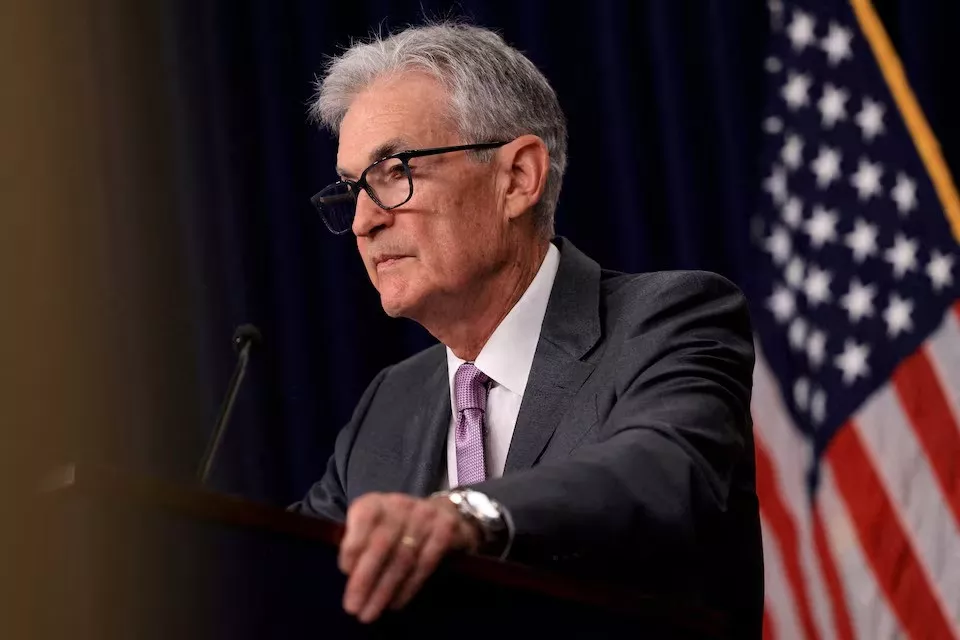
Former President Donald Trump has once again voiced his strong disapproval of Federal Reserve Chair Jerome Powell, this time stating outright that Powell’s “termination can’t come fast enough.” During an Oval Office event on Thursday, Trump suggested that if it were up to him, Powell would be removed “real fast.” Though experts widely agree that a president cannot fire the Fed chair simply due to policy disagreements, Trump has often disregarded political norms and institutional precedent.
Looking ahead, Kevin Warsh, a former Federal Reserve governor and longtime Trump economic ally, is reportedly the frontrunner to replace Powell. Warsh had previously been considered for the role during Trump’s first term and was in the running for Treasury secretary this time around, a position that ultimately went to Scott Bessent. Analysts believe Bessent’s appointment was strategic—keeping Warsh available for a possible future nomination to lead the central bank.
The White House has indicated that interviews for Powell’s successor could begin as early as this fall. When asked about Trump’s intentions, Treasury Secretary Bessent said the administration remains committed to preserving the Fed’s independence, calling monetary policy a “jewel box.” However, speculation remains strong that Trump might attempt to replace Powell before his term ends in May 2026, especially given his repeated public criticisms.
Warsh’s background includes executive roles at Morgan Stanley, followed by economic advisory positions under President George W. Bush. He was appointed to the Fed’s Board of Governors in 2006, where he played a prominent role during the 2008 financial crisis, including helping to broker the sale of Bear Stearns. However, he opposed the Fed’s quantitative easing strategy in 2011 and ultimately resigned in protest of the $600 billion bond purchase plan.
More recently, Warsh has aligned closely with Trump’s views on inflation and government spending. In a Wall Street Journal op-ed, he blamed rising inflation on “a government that spent too much and a central bank that printed too much.” He argued that the Fed should avoid political bias and criticized its handling of monetary policy in recent years. His views diverge from many mainstream economists who cite pandemic-related disruptions as the main drivers of inflation.
Currently, Warsh holds senior research roles at the Hoover Institution and Stanford University, and serves on the Congressional Budget Office’s advisory panel. He is married to billionaire Jane Lauder, granddaughter of Estée Lauder. With his experience, conservative credentials, and alignment with Trump’s economic philosophy, Warsh may be poised to lead the Fed—either at the end of Powell’s tenure or sooner, should Trump find a path to expedite the transition.
12 Comments
Comments are closed.