 admin
admin
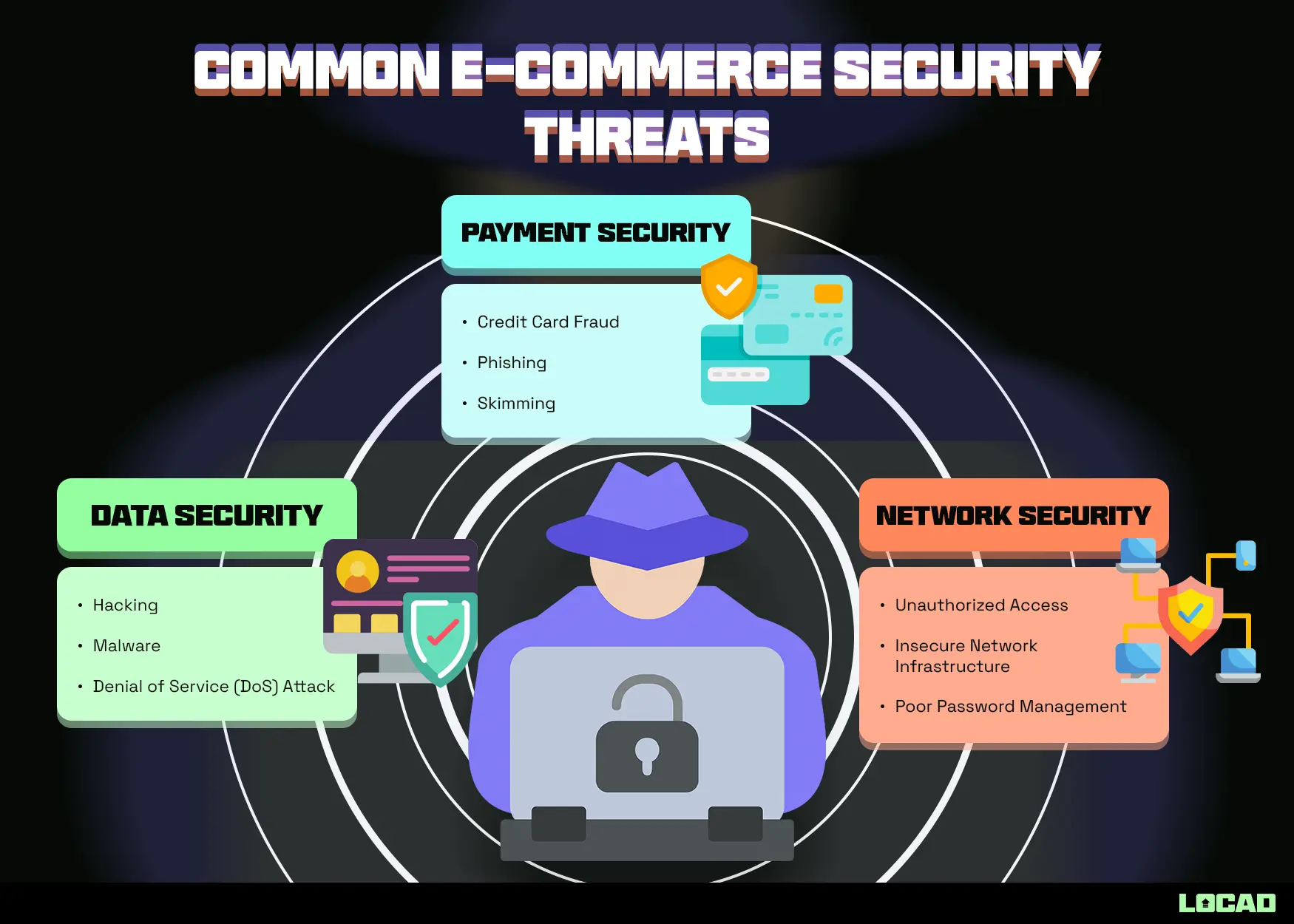
In today’s digital world, running an e-commerce business is like setting up shop in a bustling industryplace. But just as a physical store needs locks and security, your online store needs robust data security measures. Why? Because data breaches can be catastrophic, leading to financial losses, reputational damage, and a loss of customer trust. So, how do you keep your e-commerce data safe and sound? Let’s dive into some optimal practices, shall we? First, let’s talk about PCI DSS compliance and why it’s crucial for your business.
Use Strong, Unique Passwords and Multi-Factor Authentication (MFA). Think of your passwords as the locks on your digital storefront. Would you use the same flimsy lock for every door? I didn’t think so!
- Strong Passwords: Encourage customers (and yourself!) to create passwords that are long, complex, and unique. Password managers are your friend here.
- Multi-Factor Authentication (MFA): This is like adding a second deadbolt. MFA requires users to verify their identity through a second device (like a phone) in addition to their password. It’s a game-changer.
Implement Secure Socket Layer (SSL) Certificates. Imagine sending a postcard versus a sealed letter. Which one is more secure? SSL certificates are like that sealed envelope for your website.
- What is SSL? SSL encrypts the data transmitted between your customer’s browser and your server. Look for the padlock icon in the address bar – that’s your sign that SSL is active.
- Why is it crucial? Without SSL, sensitive information like credit card numbers and addresses can be intercepted. Google also favors sites with SSL, boosting your search engine optimization.
Regularly Update Software and Systems. Think of your e-commerce platform and its plugins as a car. You wouldn’t drive around with bald tires and an outdated engine, would you?
- Why Updates Matter: Software updates often include security patches that fix vulnerabilities. Ignoring these updates is like leaving your front door unlocked for hackers.
- Automation is Key: Set up automatic updates whenever possible. This ensures you’re always running the latest, most secure versions of your software.
Conduct Regular Security Audits and Penetration Testing. Consider this like hiring a security firm to test your physical store’s defenses. Are there blind spots? Weaknesses in the alarm system?
- Security Audits: These assess your overall security posture, determineing vulnerabilities and recommending improvements.
- Penetration Testing: This involves ethical hackers trying to break into your system to find weaknesses before malicious actors do. It’s like a stress test for your security.
Educate Employees and Customers About Security optimal Practices. Your employees and customers are the first line of defense. Are they trained to spot a phishing email? Do they know how to create strong passwords?
- Employee Training: Conduct regular training sessions on topics like phishing, social engineering, and data handling.
- Customer Awareness: offer resources and tips on how customers can protect themselves, such as creating strong passwords and being wary of suspicious emails.
So, there you have it! E-commerce data security isn’t just a tech thing; it’s a business imperative. By implementing these optimal practices, you’re not just protecting data; you’re safeguarding your reputation, customer trust, and the very future of your online store. Isn’t that worth the effort?
12 Comments
Comments are closed.